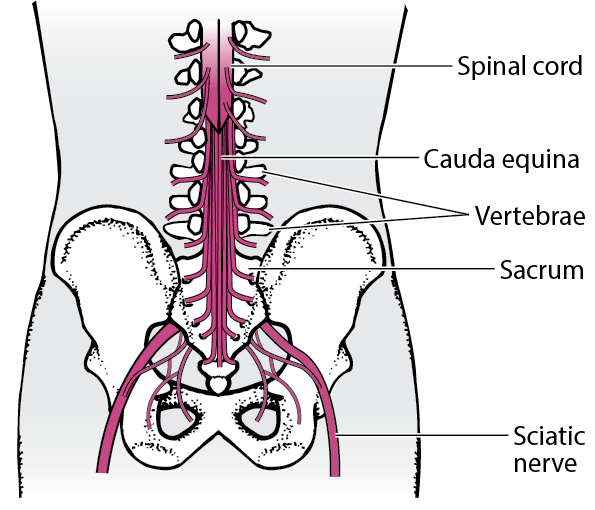
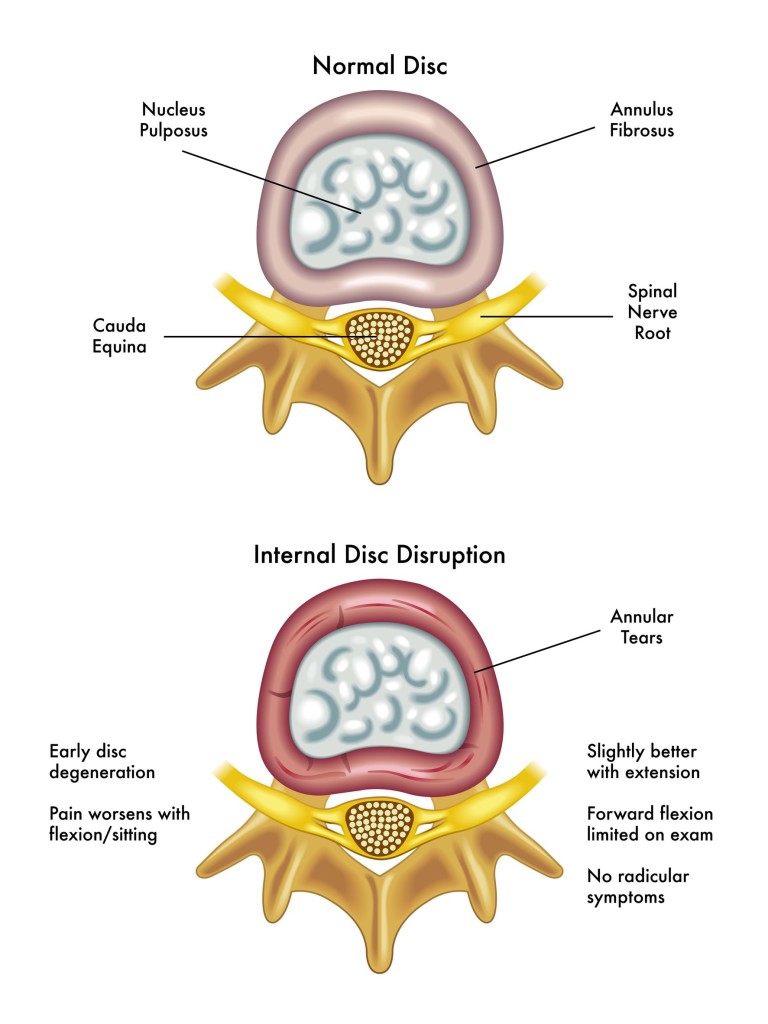
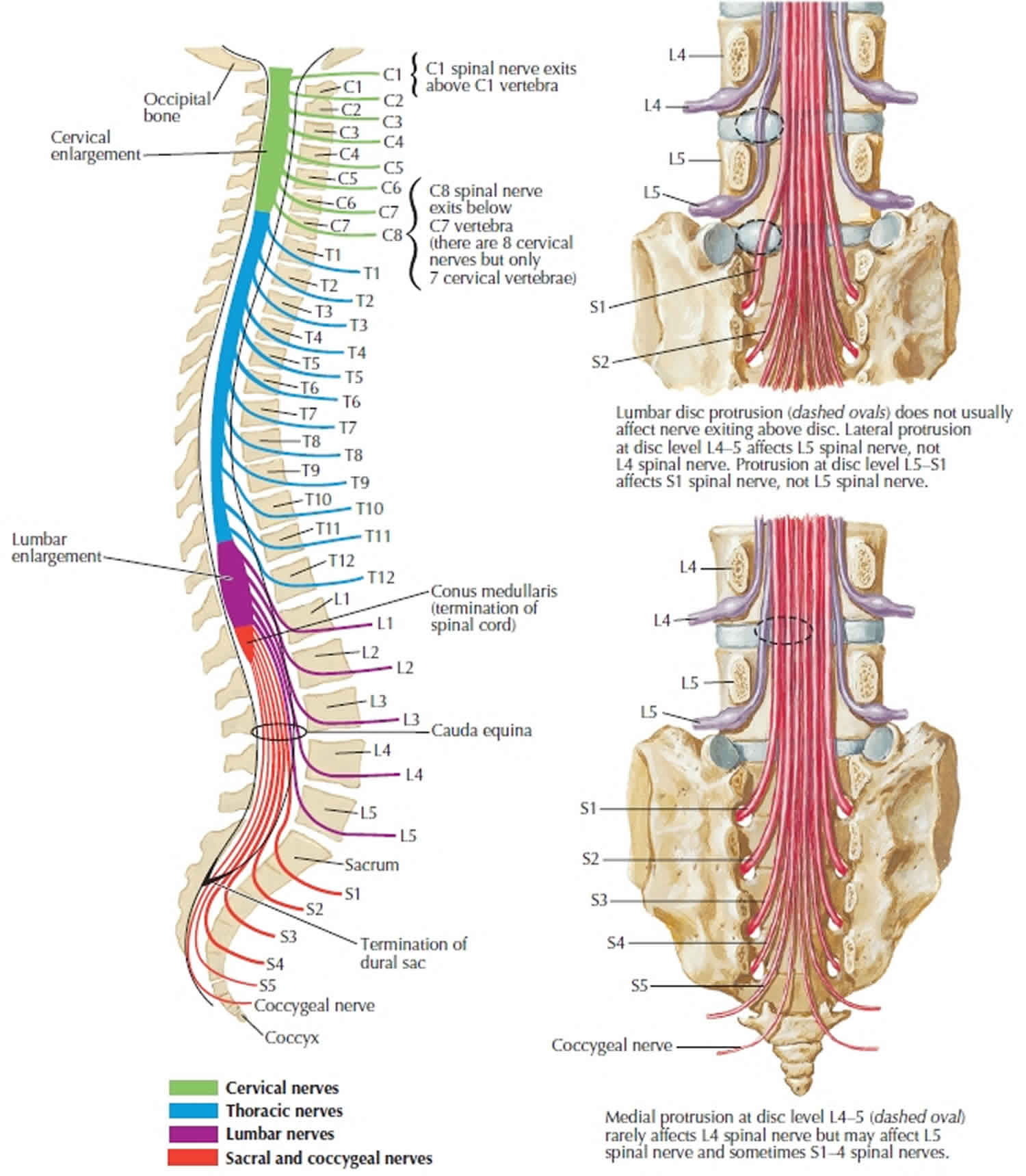
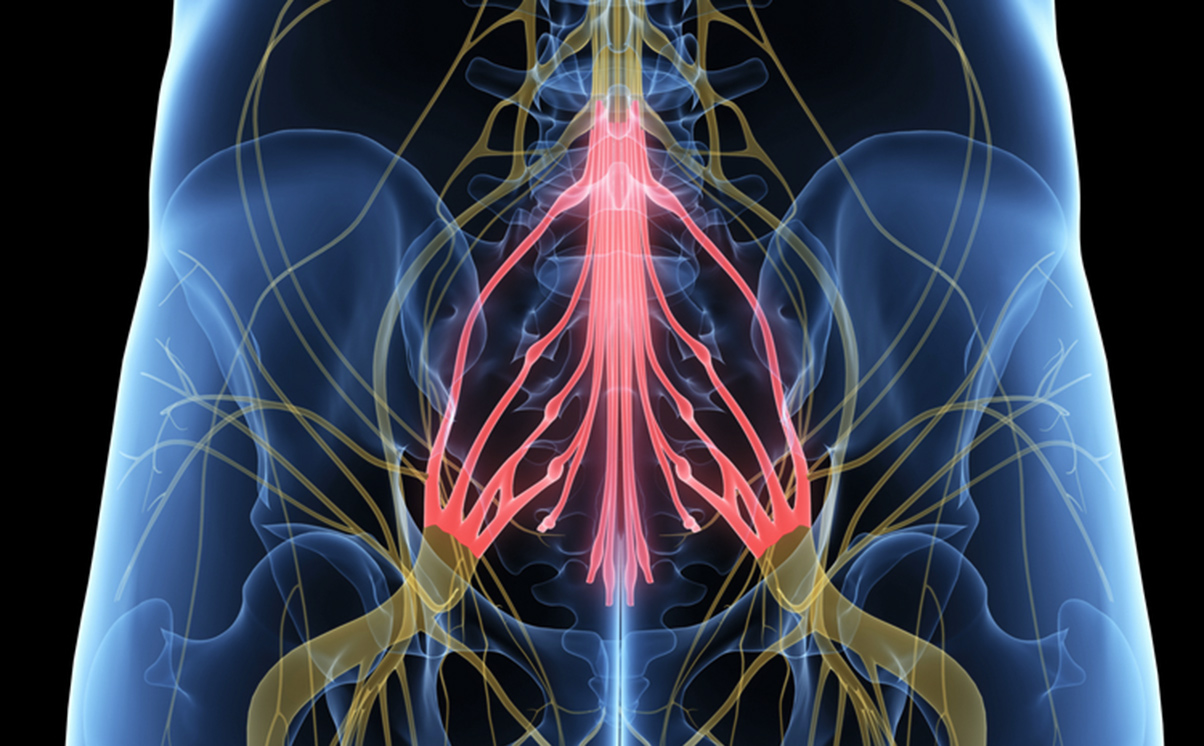
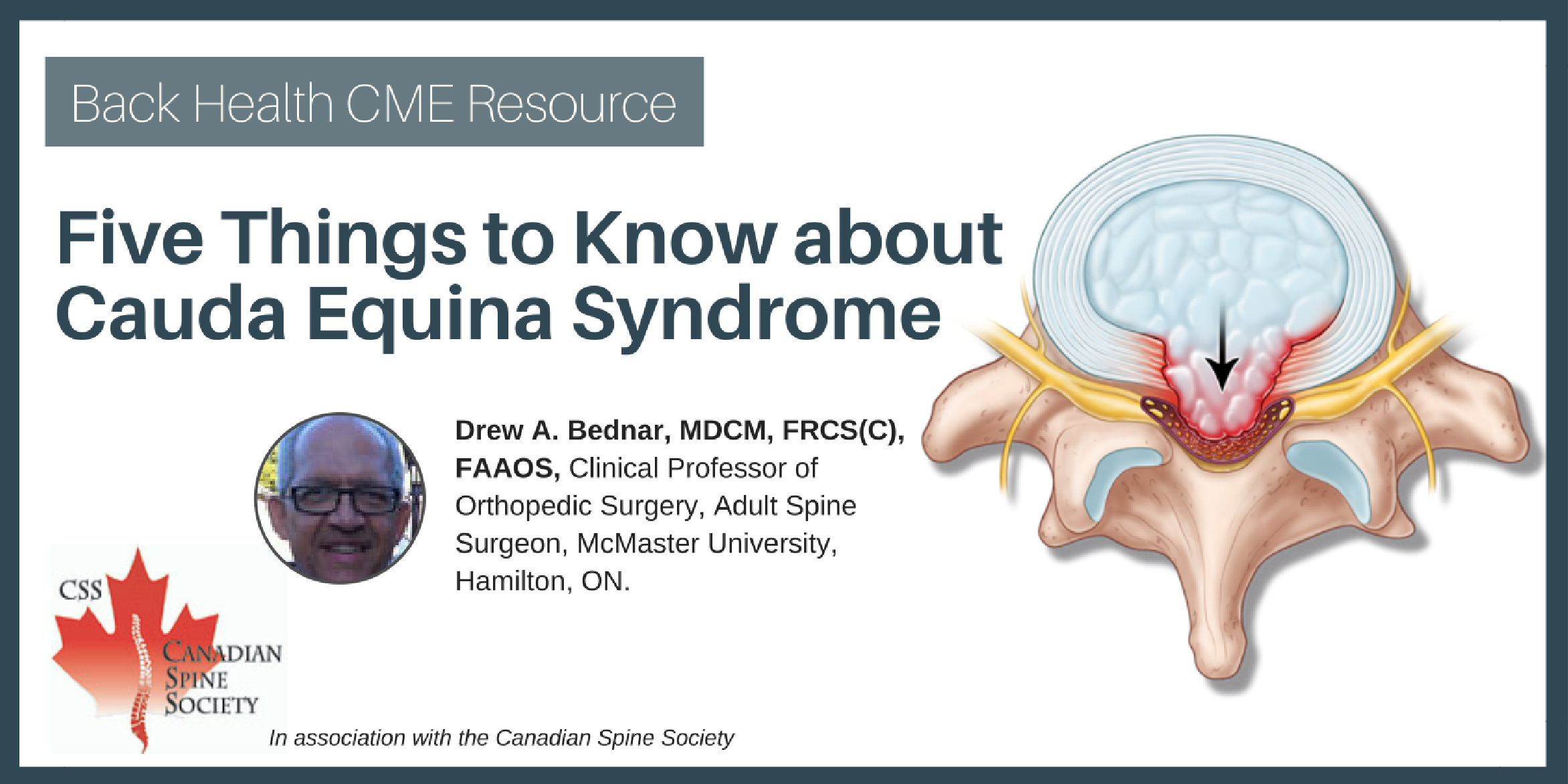
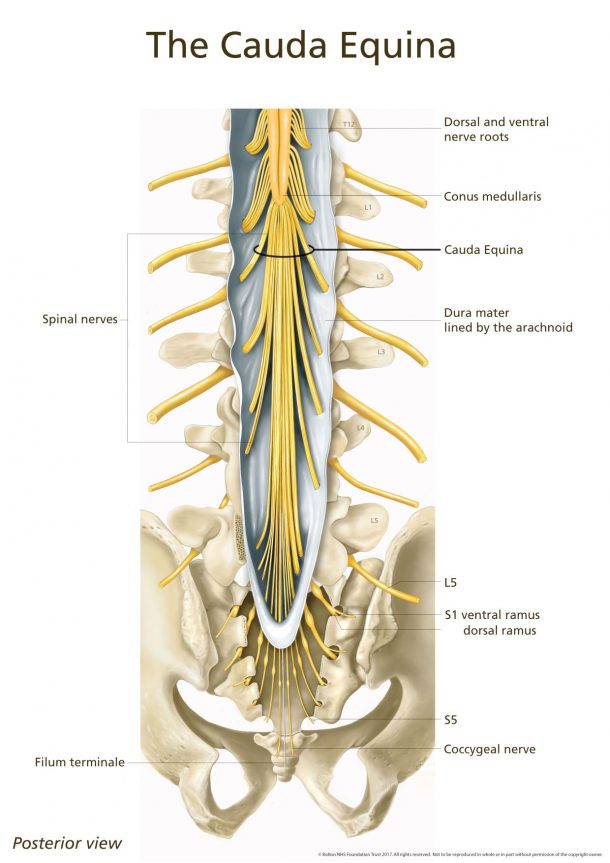
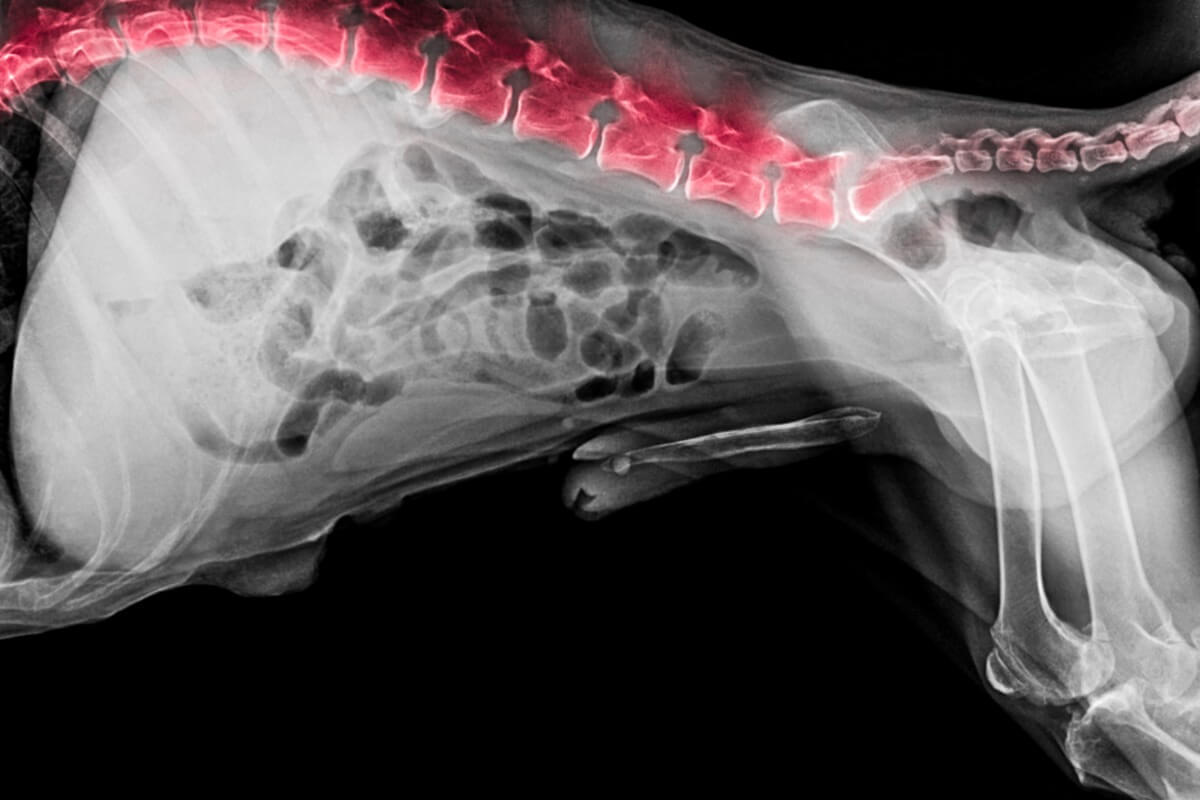
The "cauda equina syndrome" is the set of signals produced by a variety of conditions that affect the nerve roots of the cauda equina as: Degenerative (mainly LSDS), inflammatory, infiltrative, anomalies, trauma and vascular.. Is frequently encountered in middle-aged, medium to large breeds of working dogs, and more often in males. 2.. Cauda equina syndrome (CES) occurs when there is dysfunction of multiple lumbar and sacral nerve roots of the cauda equina. Causes. CES most commonly results from a massive herniated disc in the lumbar region. A single excessive strain or injury may cause a herniated disc, however, many disc herniations do not necessarily have an identified cause.

Cauda Equina Syndrome Pain Carolinas Pain Center
Cauda Equina Syndrome In Dogs
Can Dogs Get Cauda Equina Syndrome
Cauda equina, cauda equina syndrome causes, symptoms & treatment
Can Dogs Get Cauda Equina Syndrome
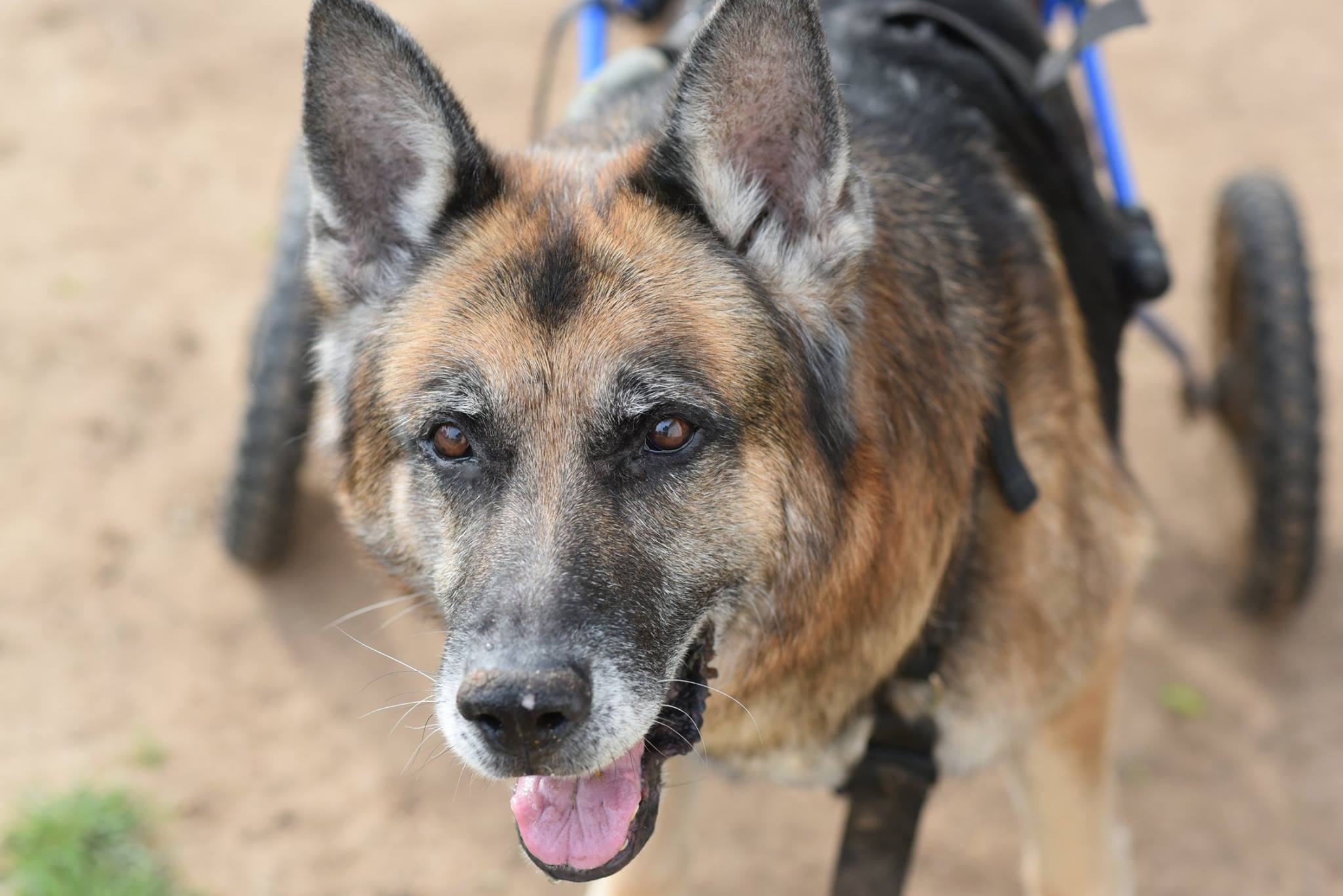
Cauda Equina Syndrome In Dogs
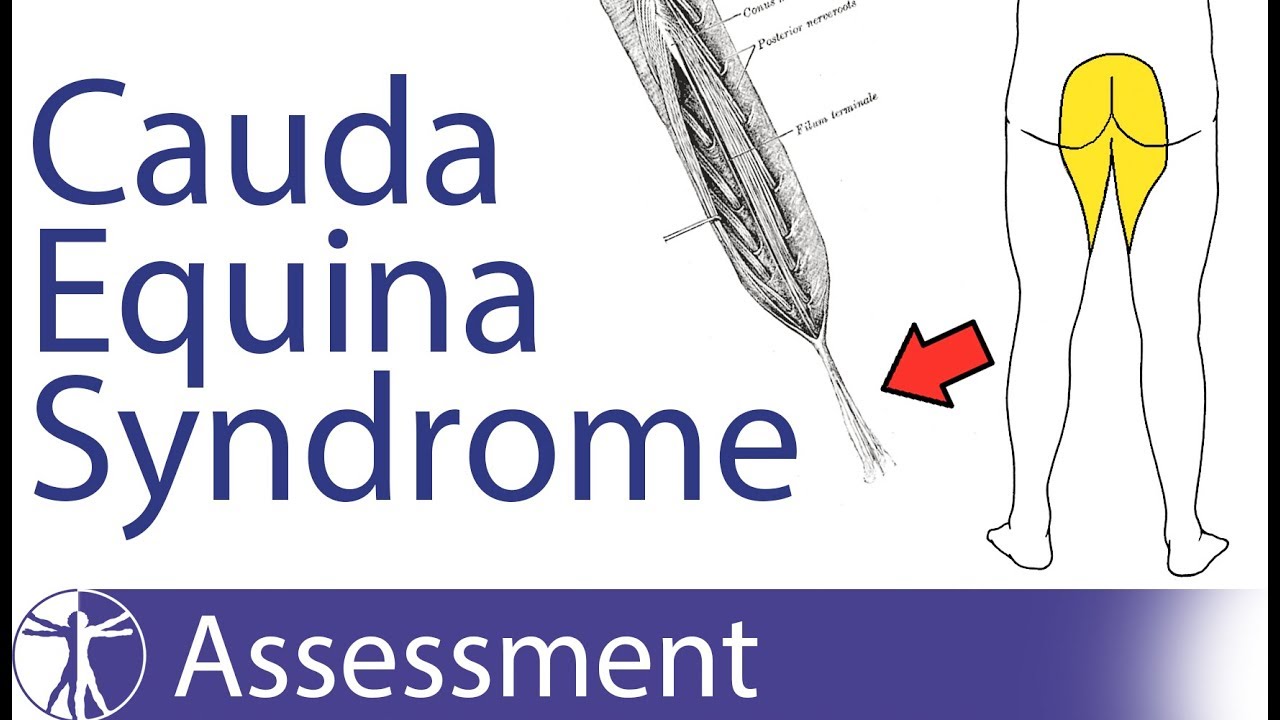
Cauda Equina Syndrome In Dogs
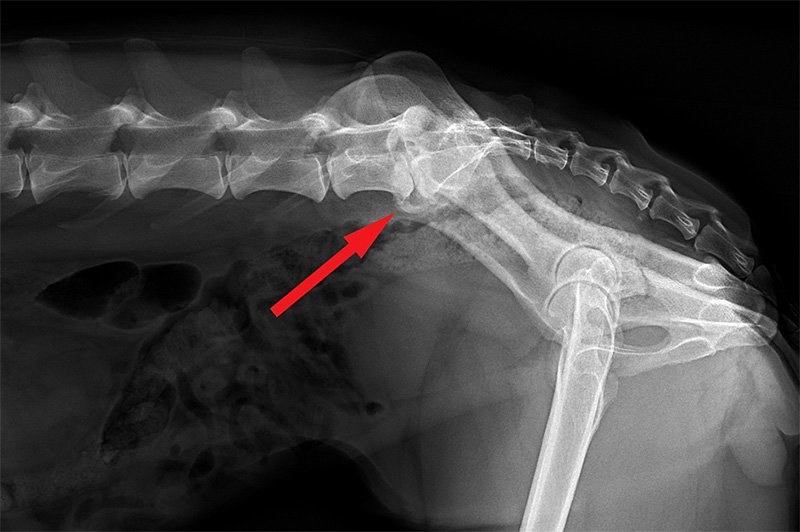
Tierarztpraxis orthoVET Das CaudaequinaSyndrom beim Hund

Cauda Equina Syndrome Pain Carolinas Pain Center
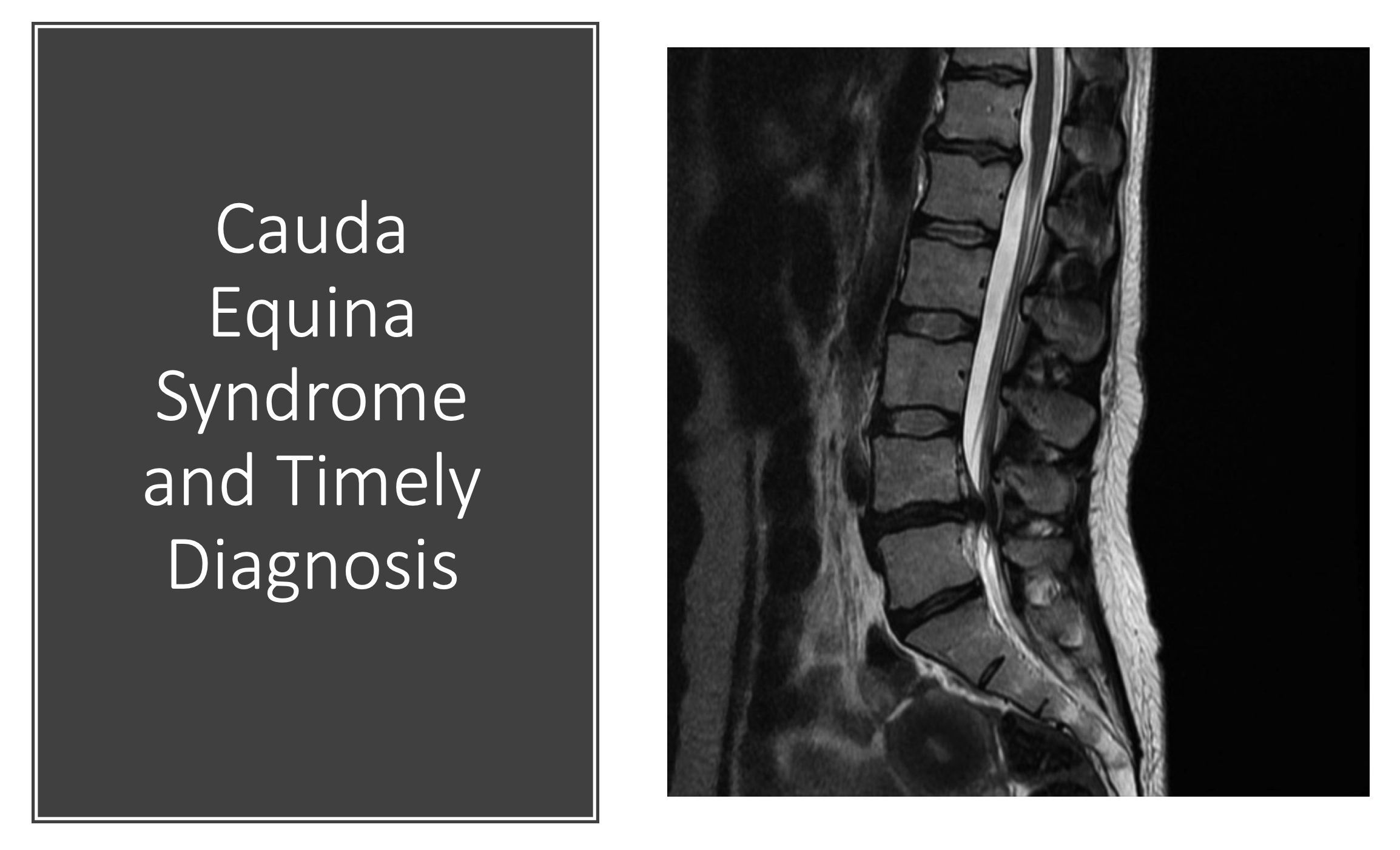
Emergency Medicine EducationMedical Malpractice Insights Cauda equina syndrome

Disorders of the Cauda Equina Veterian Key
Can Dogs Get Cauda Equina Syndrome
Five Things to Know about Cauda Equina Syndrome
Cauda Equina Syndrome Explained POGO Physio Gold Coast

Cauda Equina Living With Spinal Cord Injury
Cauda equina in dogs causes and treatments

Eletropuntura feita para Sindrome da Cauda Equina! Holistico, Tratamientos
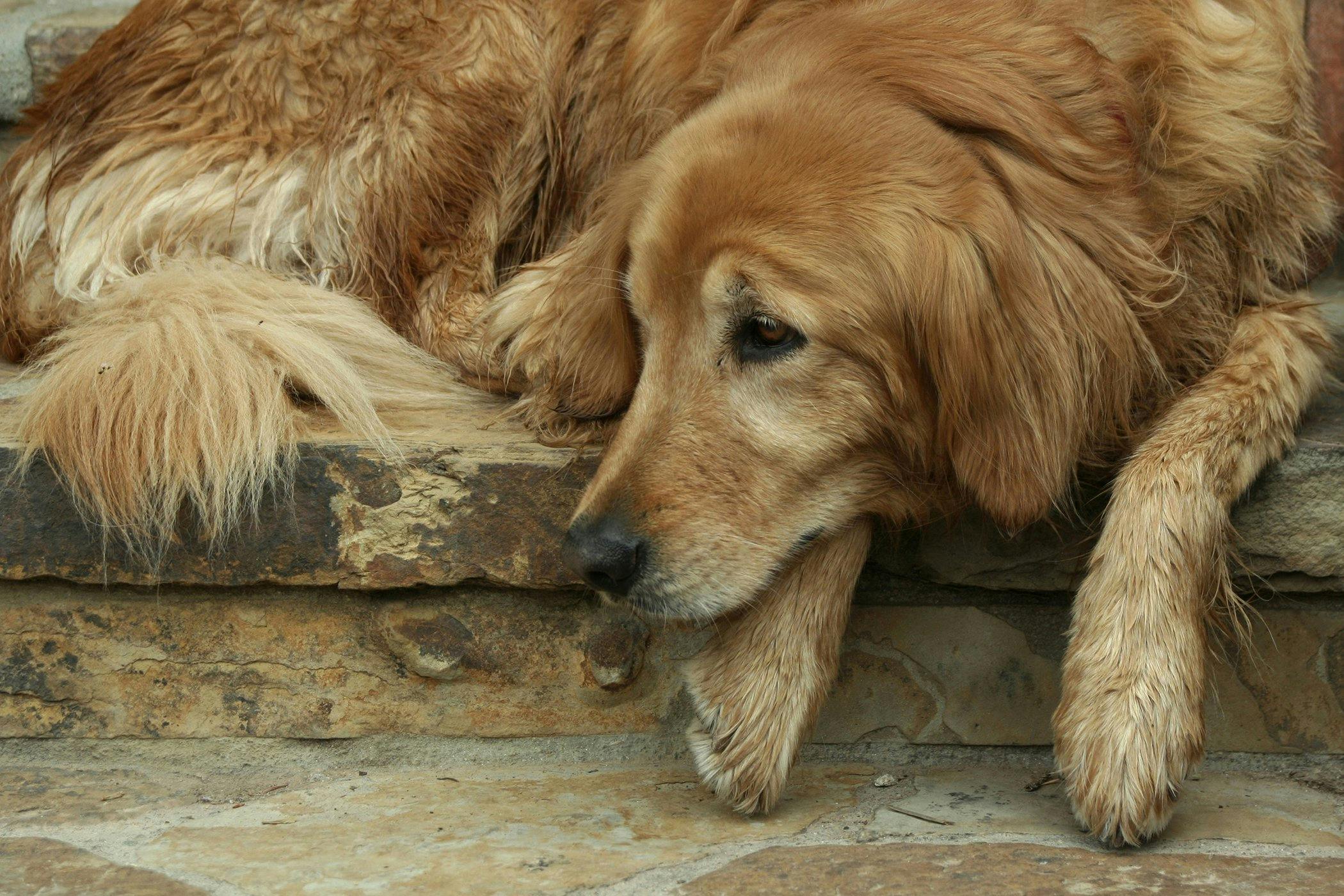
Cauda Equina Syndrome in Dogs Symptoms, Causes, Diagnosis, Treatment, Recovery, Management, Cost
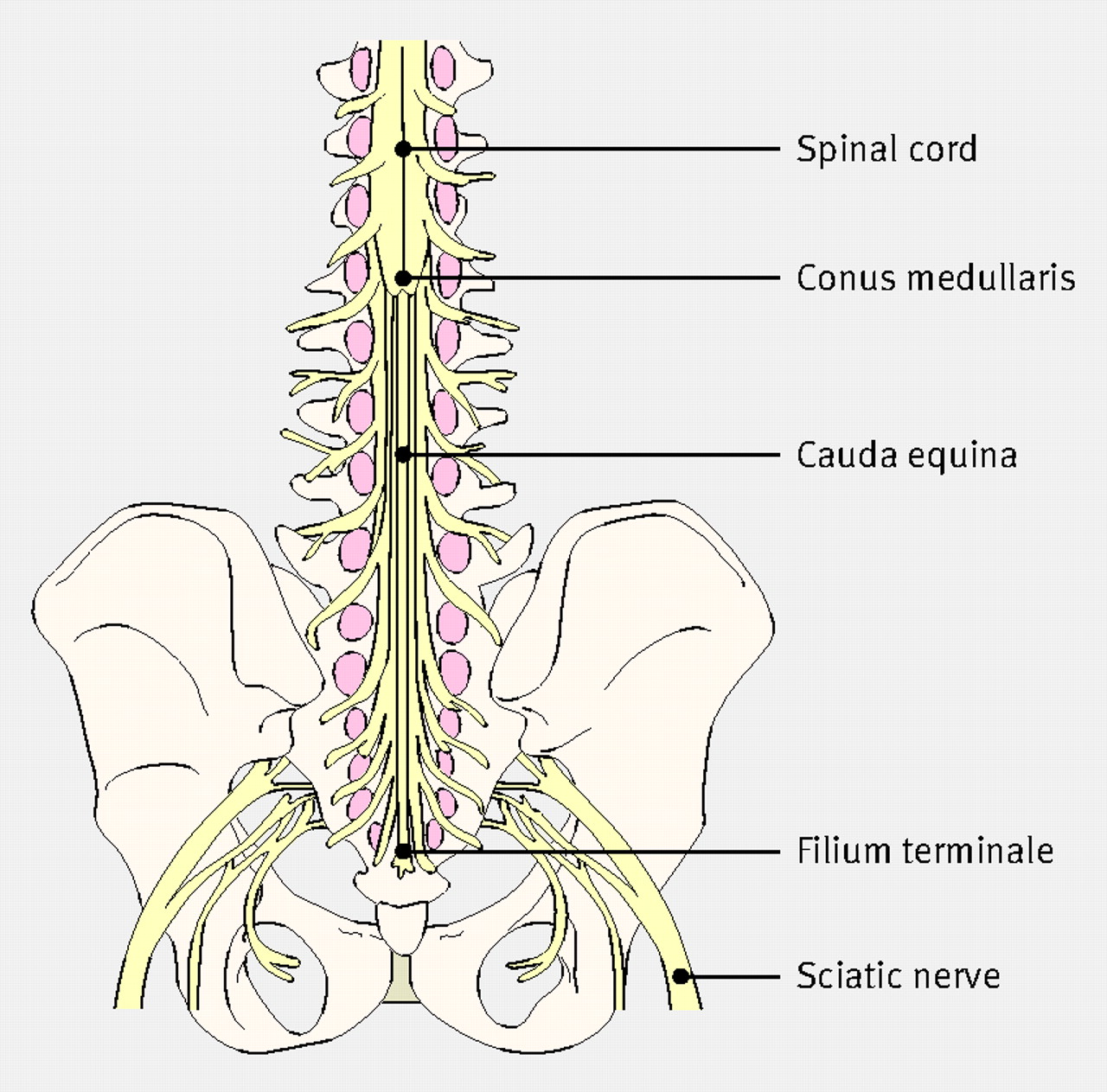
Cauda equina syndrome The BMJ
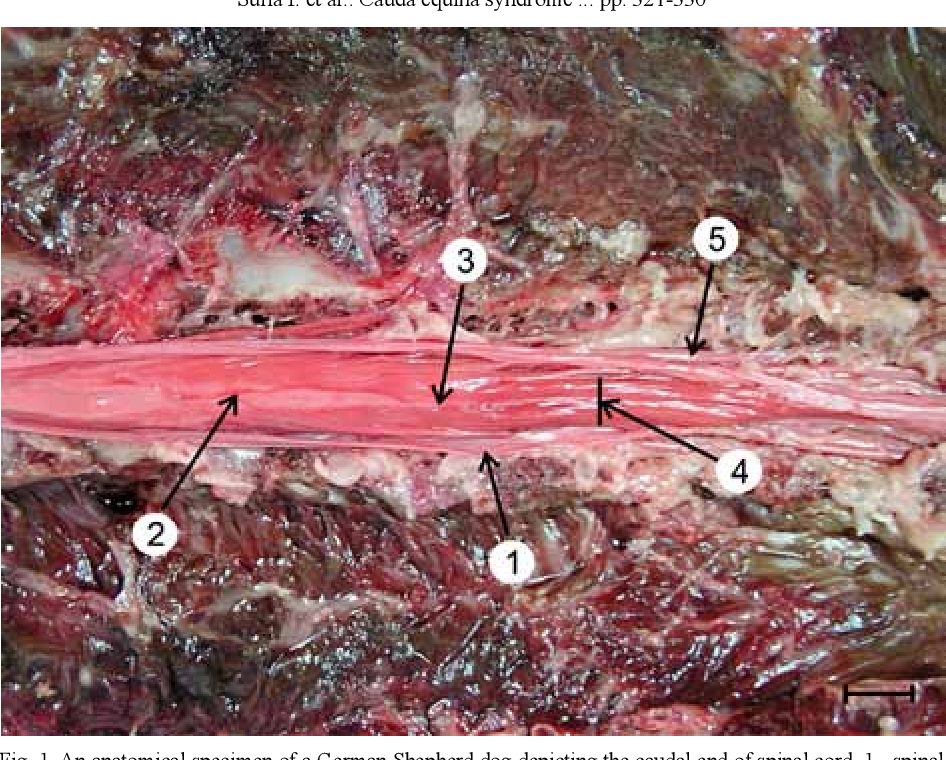
Figure 1 from Cauda equina syndrome in dogs a review Semantic Scholar
Cauda equina syndrome is caused by compression of the nerve roots passing from the lower back toward the tail at the level of the lumbosacral junction.. Dogs with abnormal shape to their last lumbar or sacral vertebrae and German Shepherd dogs are predisposed to developing lumbosacral stenosis. Neoplasia (cancer) and infection at the level.. This is why this particular area is called the cauda equina. The "cauda equina" is Latin for horse's tail. Lumbosacral stenosis usually occurs in large breeds. Clinical signs usually occur between 3 - 7 years of age. Lumbosacral stenosis (cauda equina syndrome) is also referred to as lumbosacral instability, lumbosacral.
